Spinal stenosis is a condition that is categorized by the narrowing of the bony canal through which the spinal cord and nerves pass on their journey through the body.
Why Does Spinal Stenosis Develop?
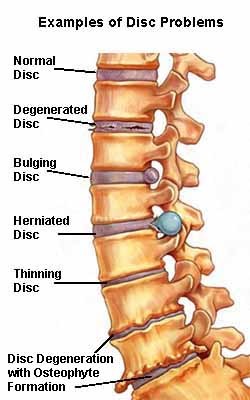
The onset of arthritis is the most common cause of spinal stenosis. When osteoarthritis develops, the spinal discs between your vertebrae begin to dry out and shrink. When this happens, bone spurs can develop and your spinal facet joints can enlarge as they take on more stress. As the facet joints begin to take up more space, there is less space for the spinal nerves to pass.
Spinal stenosis can also develop because of or made worse by:
Spondylosis
Spondylolisthesis
Traumatic injury
Aging
Spinal inflammation
Stenosis can develop in any part of the spine, but it’s most common in the lumbar region. When the condition becomes symptomatic, the most common symptoms include:
Dull pain
Sharp pain, especially with certain movements
Tingling
Numbness
Radiating discomfort and pain
Gait dysfunction
Balance issues
Leg or muscle weakness
There’s also the possibility that the condition can lead to bowel and / or bladder dysfunction. This is a clear sign that you need to see a specialist.
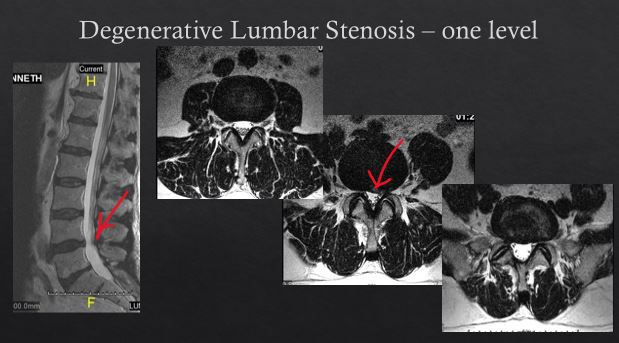
MRI Depicting Spinal Stenosis, Single Level
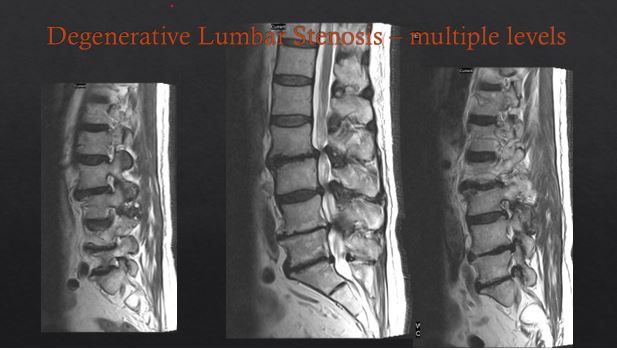
MRI Depicting Spinal Stenosis, Multiple Levels
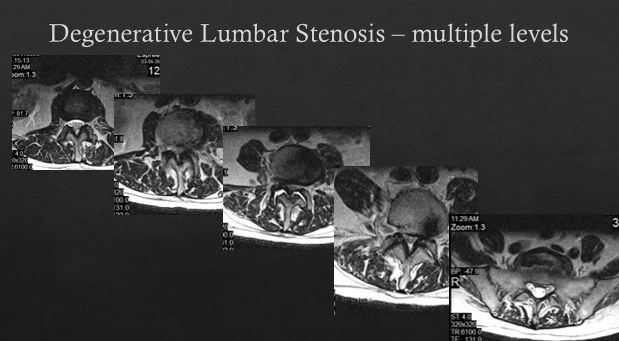
MRI Depicting Spinal Stenosis, Multiple Levels
Diagnosing and Treating Spinal Stenosis
If a diagnosis of spinal stenosis is made, your specialist will then talk to you about your treatment options. While there is no treatment that can reverse spinal stenosis, there are a number of treatments that can help to relieve symptoms and make life more enjoyable. Best of all, the majority of patients can achieve these results through conservative methods.
There is no one specific treatment that helps to provide spinal stenosis relief. Instead, a number of treatments and lifestyle changes all help to relieve symptoms and keep them from coming back. The most common treatments that are often used in combination with one another are:
Physical therapy
Gentle stretching and exercise
Weight loss
Posture improvements
Anti-inflammatory medications
Steroids/Corticosteroid injections
Most people notice a decrease in symptoms when these treatments are pursued for an extended period of time, but some patients may still deal with debilitating back pain no matter what they do. In these instances, surgery may be recommended to address any bony overgrowths or shifted spinal discs that are putting excessive pressure on the spinal nerves. These decompression operations have a high rate of success in relieving symptoms
For question regarding low back and leg pain, stenosis or other spinal concerns, please reach out to Dr. Jackman and his care team.